Dry van or flatbed? For a lot of freight the answer is obvious — but in the gray zone, choosing wrong means paying for equipment you don't need, or worse, showing up with a trailer that can't be loaded. Here's how to decide quickly and correctly.
Dry Van: The Default for Protected Freight
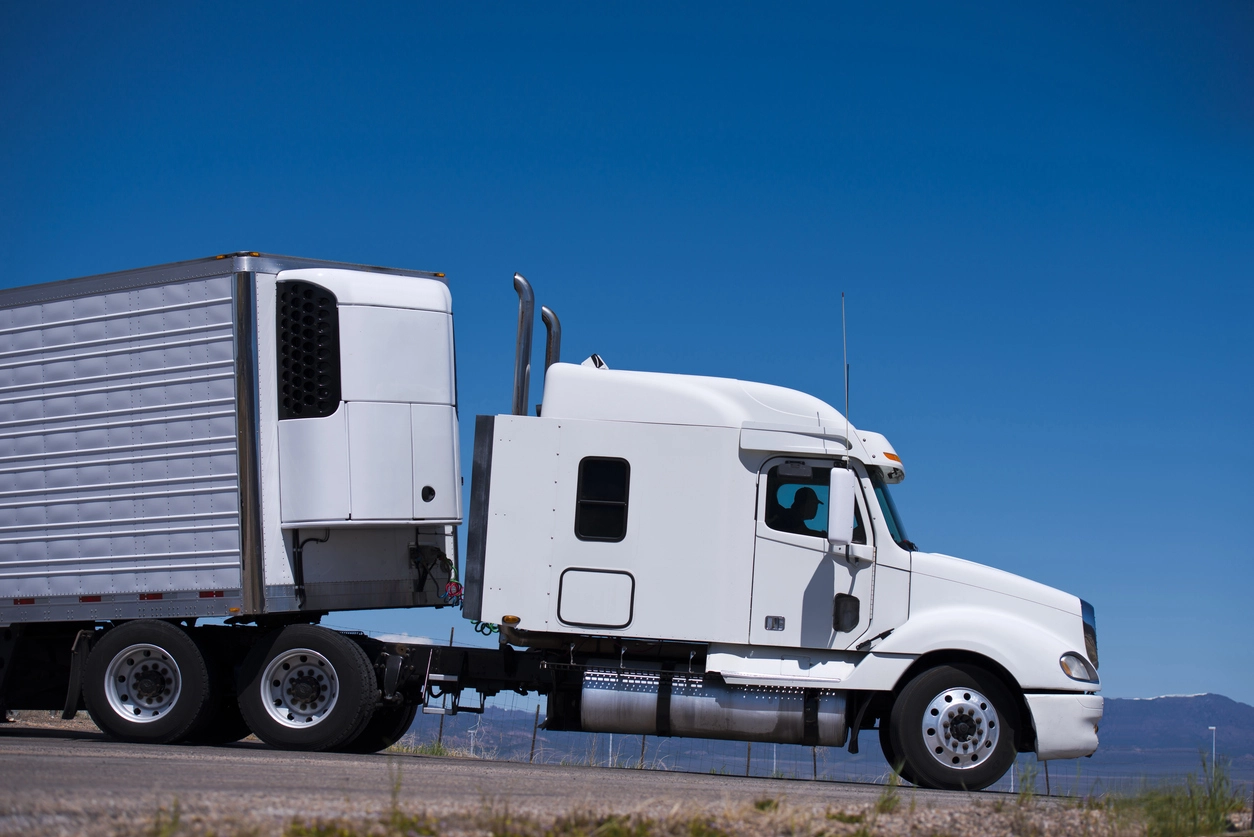
A dry van is the familiar enclosed 53' box trailer. It protects freight from weather, road debris, and casual theft, and it loads cleanly from a dock.
Choose dry van when:
- Your freight is palletized, boxed, or shrink-wrapped
- It fits standard trailer dimensions (roughly 52' of usable length, 8'2" width, 9' height)
- Weather protection matters — packaging, electronics, food-grade goods
- You're loading and unloading at docks with forklifts or pallet jacks
Flatbed: For Freight That Won't Fit in a Box
A flatbed is an open deck — no walls, no roof. What it gives up in protection it gains in flexibility: freight can be loaded from the sides, from above by crane, or in shapes and sizes a van could never swallow.
Choose flatbed when:
- Your freight is oversized, overweight, or oddly shaped — machinery, steel, lumber, pipe, equipment
- Loading requires a crane or side access
- Dimensions exceed dry van interior limits
- The freight can tolerate open-air transport (with tarping when needed)
The Questions That Decide It
- Can it physically fit through dry van doors? If not, the decision is made.
- How does it load? Dock and forklift → dry van. Crane or side-load → flatbed.
- Does it need weather protection? Full protection → dry van. Tarps sufficient → flatbed works.
- What does it weigh, and how is the weight distributed? Dense, concentrated loads often secure better on a deck.
Don't Forget the In-Betweens
Step decks handle taller freight, and specialized trailers (RGN, double-drop, stretch) exist for the truly oversized. If your freight lives at the edges of legal dimensions, permits and routing come into play — which is where an experienced logistics partner earns their keep.
When in Doubt, Describe the Freight — Not the Trailer
Tell us what you're shipping, how it loads, and where it's going. We'll match the equipment, the securement, and the carrier to the freight — that's the whole job.
Not sure which equipment your freight needs? Send us the details and we'll spec it for you.
Request a Quote