If you've been anywhere near the freight industry in the last few years, you've heard the term double brokering. It's one of the most damaging schemes in transportation — and one of the least understood. Here's a plain-English explanation of what it is, why it puts your freight at risk, and how to protect yourself.
What Is Double Brokering?
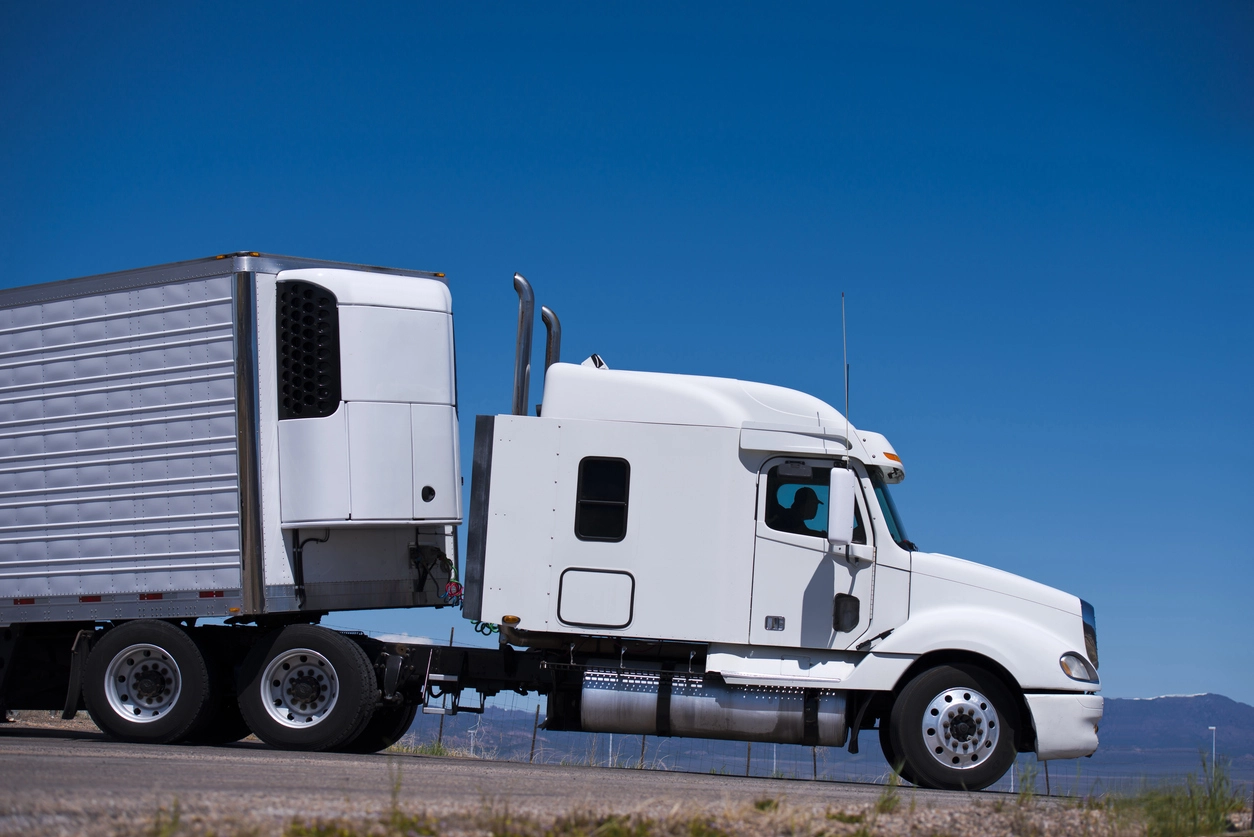
Double brokering happens when the party who accepted your load — without your knowledge or consent — re-brokers it to another carrier. The company you think is hauling your freight isn't. Someone else, whom nobody vetted, is behind the wheel.
This is different from legitimate, disclosed co-brokering arrangements, where all parties know and agree. Double brokering is done in secret, and that secrecy is exactly what makes it dangerous.
Why It's a Serious Problem
- You lose control of who has your freight. The actual hauling carrier was never vetted — their insurance, safety record, and even identity are unknown.
- Insurance may not apply. If the carrier on the paperwork isn't the carrier hauling the load, coverage can fall apart precisely when you need it.
- Carriers don't get paid. In common scams, the middleman collects payment and vanishes, leaving the real carrier unpaid — and sometimes holding the freight as leverage.
- Theft rides along. Many cargo theft rings use double brokering as their delivery mechanism: win the load, hand it to an accomplice "carrier," and disappear.
Red Flags to Watch For
- Rates that seem too good to be true — someone has to fund the middleman's cut.
- A different truck, driver, or company name showing up at pickup than what's on the rate confirmation.
- Contact details that don't match official FMCSA records, or emails from free/lookalike domains.
- Pressure to move fast and skip verification steps.
- Brand-new authority paired with unusually broad capacity promises.
How US Veteran Logistics Prevents It
Our carrier agreements prohibit re-brokering, and our process is built to catch it: we verify the carrier's identity against official records, confirm the actual truck and driver before pickup, track the load in real time, and keep one dedicated point of contact on every shipment. If the truck at your dock doesn't match the carrier we assigned, that load doesn't leave.
The Bottom Line
Double brokering thrives when shippers don't know who's actually moving their freight. Work with a logistics partner who can tell you — by name, truck, and driver — and who verifies it at every step.
Know exactly who's hauling your freight. Move it with US Veteran Logistics.
Request a Quote